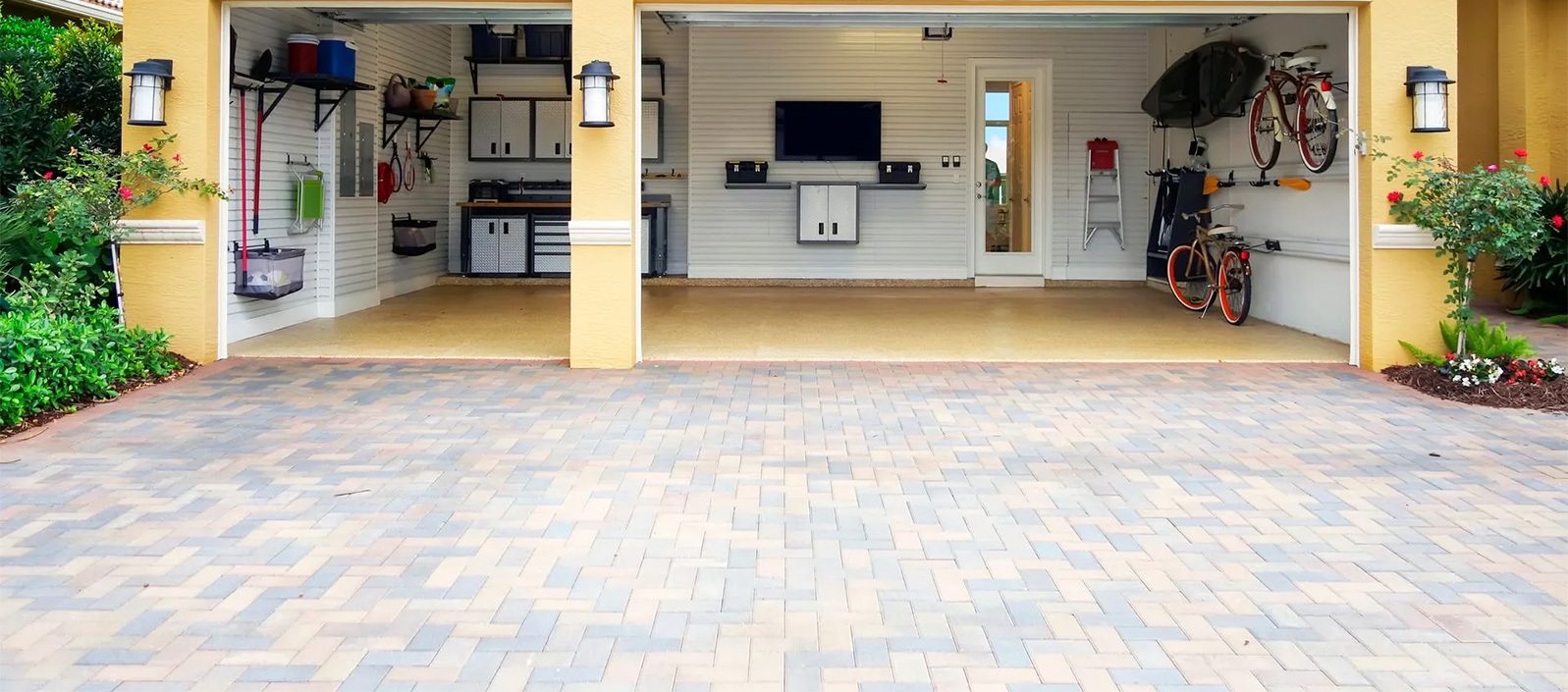
Whether you're listing your space on StoreInMySpace.com or trying to understand how much storage you need, the process is easy once you know what to measure.
Below is the step-by-step method for garages, spare rooms, sheds, lofts, basements, and outdoor spaces.
✔️ 1. Measure the Floor Area (Length × Width)
This gives you the square footage (sq ft) — the main number renters look for.


4
Steps:
Formula:
Length × Width = Total sq ft
Example:
That means your space is 60 sq ft of usable floor area.
✔️ 2. Measure the Height (Optional but Useful)
Some renters want to know if they can stack items.


4
Steps:
Example:
This helps you describe the space accurately.
✔️ 3. Identify Any Areas That Aren’t Usable
Not all floor space counts if it can’t be used.
Subtract or note areas:
Describe these clearly in your listing.
✔️ 4. For Garages, Use the Standard Size Guide (If in Doubt)


4
If you can’t measure exactly, UK average garage sizes help:
Single garage (UK average)
Half-garage used for storage
You can refine the number if you have a tape measure.
✔️ 5. For Lofts & Attics, Measure Only the Flat Usable Area
Lofts usually have sloped sides.
Measure ONLY the areas where:
Describe the rest as “additional low-height space”.
✔️ 6. For Sheds or Outdoor Buildings
Measure as you would a room:
✔ Mention if walls or floors are insulated/dry
✔ Note if floorboards are uneven
✔ Mention door width (important for large items)
✔️ 7. For Spare Rooms
A normal bedroom in the UK is usually:
But always measure to be sure.
✔️ 8. Convert Metres to Feet (If Needed)
If you measure in metres:
1 metre = 3.28 feet
Quick conversions:
Formula:
(metres × 3.28)² = sq ft
(or simply multiply total m² × 10.76)
✔️ 9. Take Photos From Multiple Angles
Photos help renters understand the true size.
Take:
This increases trust and bookings.
✔️ 10. Add “Approximate Measurements” If Your Space Is Irregular
If it’s not a perfect rectangle (like many lofts, garages, or L-shaped spaces), just describe:
Clarity is more important than precision.
? Done! That’s your space size.
Store In My Space connects people with unused space to those who need affordable storage. Our goal is to create a trusted, flexible and community-driven storage solution for everyone.
Copyright © 2026 Store In My Space – Member of SKILLY NETWORK LIMITED
